Traditional Joinery & Modern Logic
Lake Escape
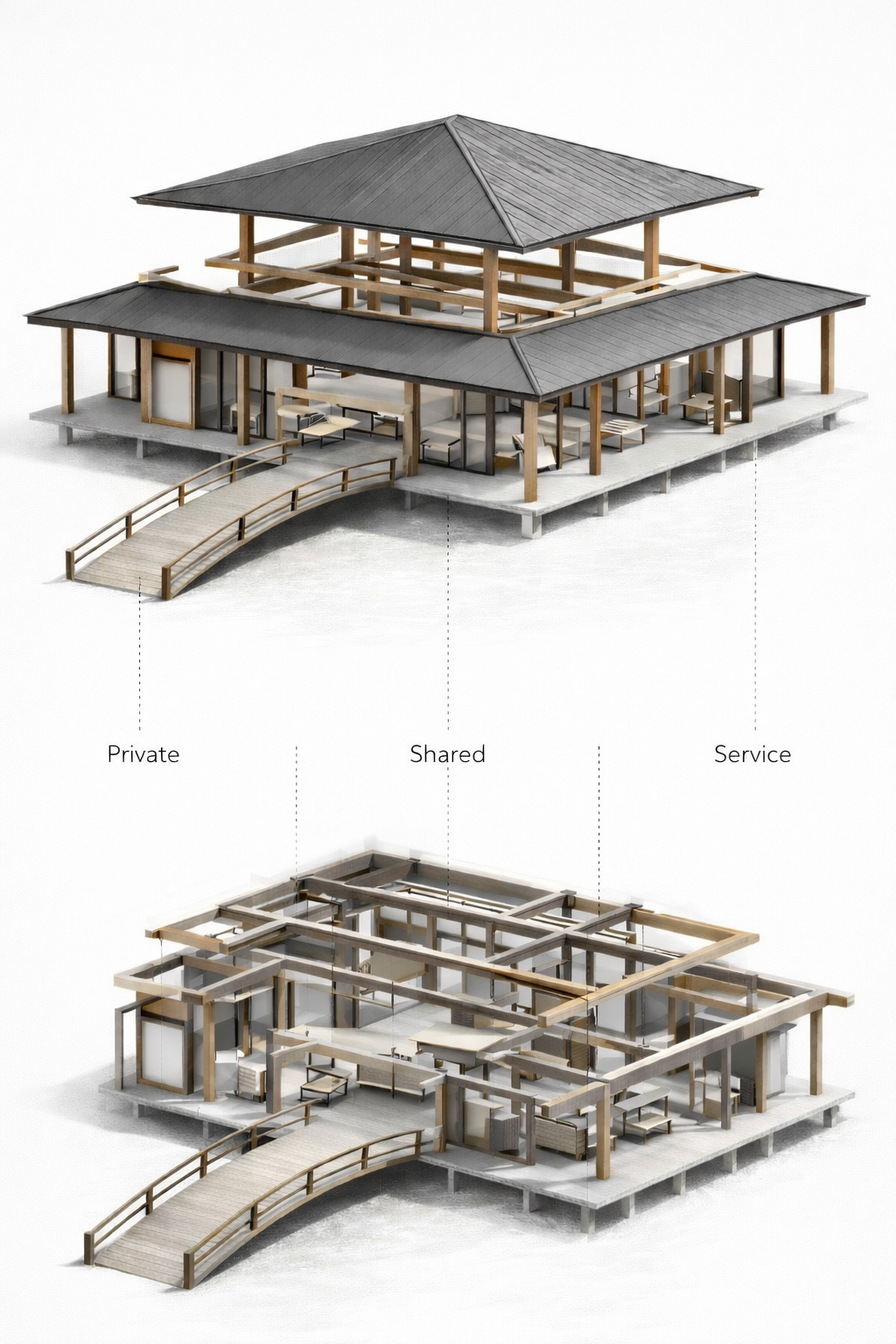
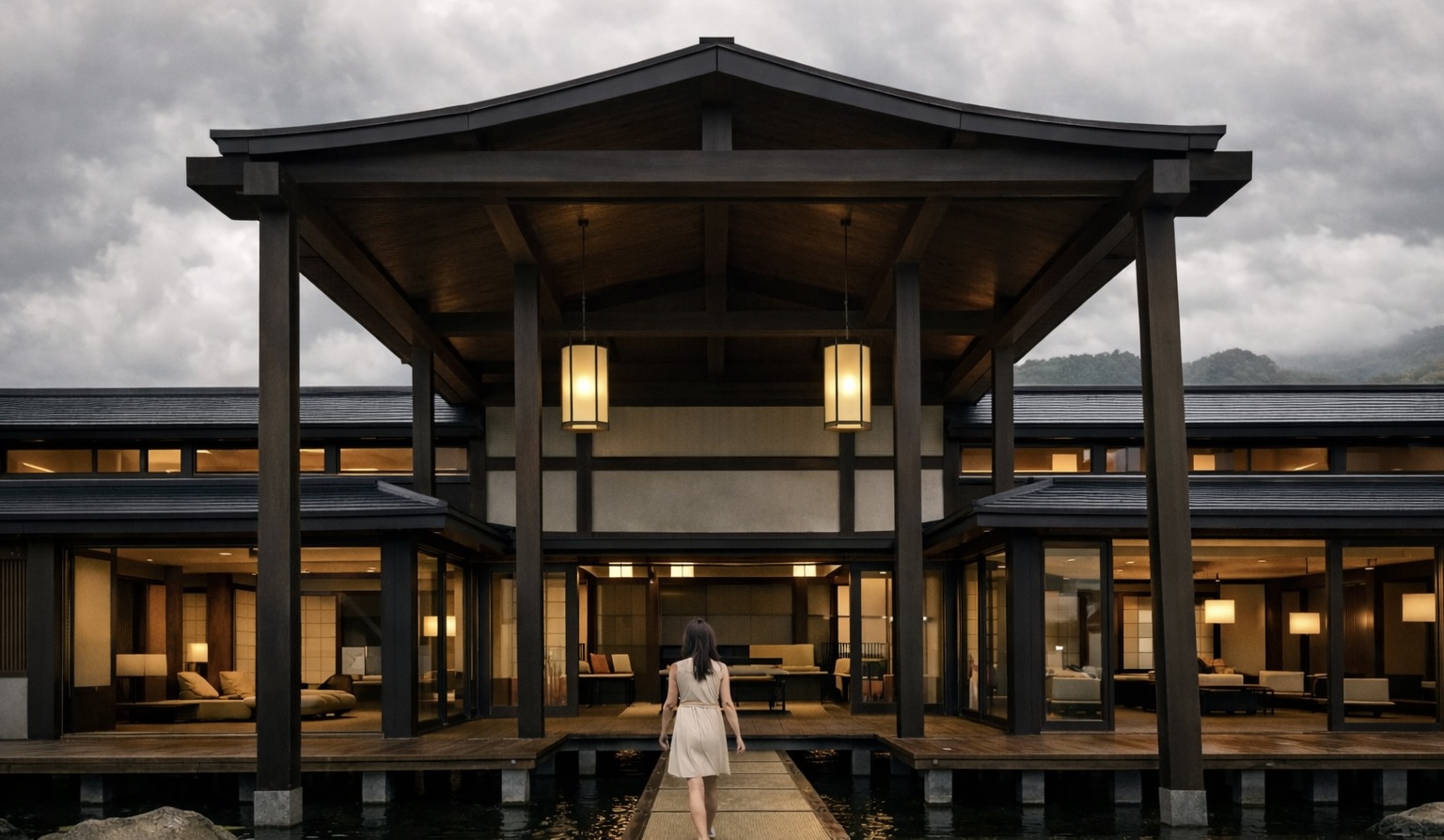
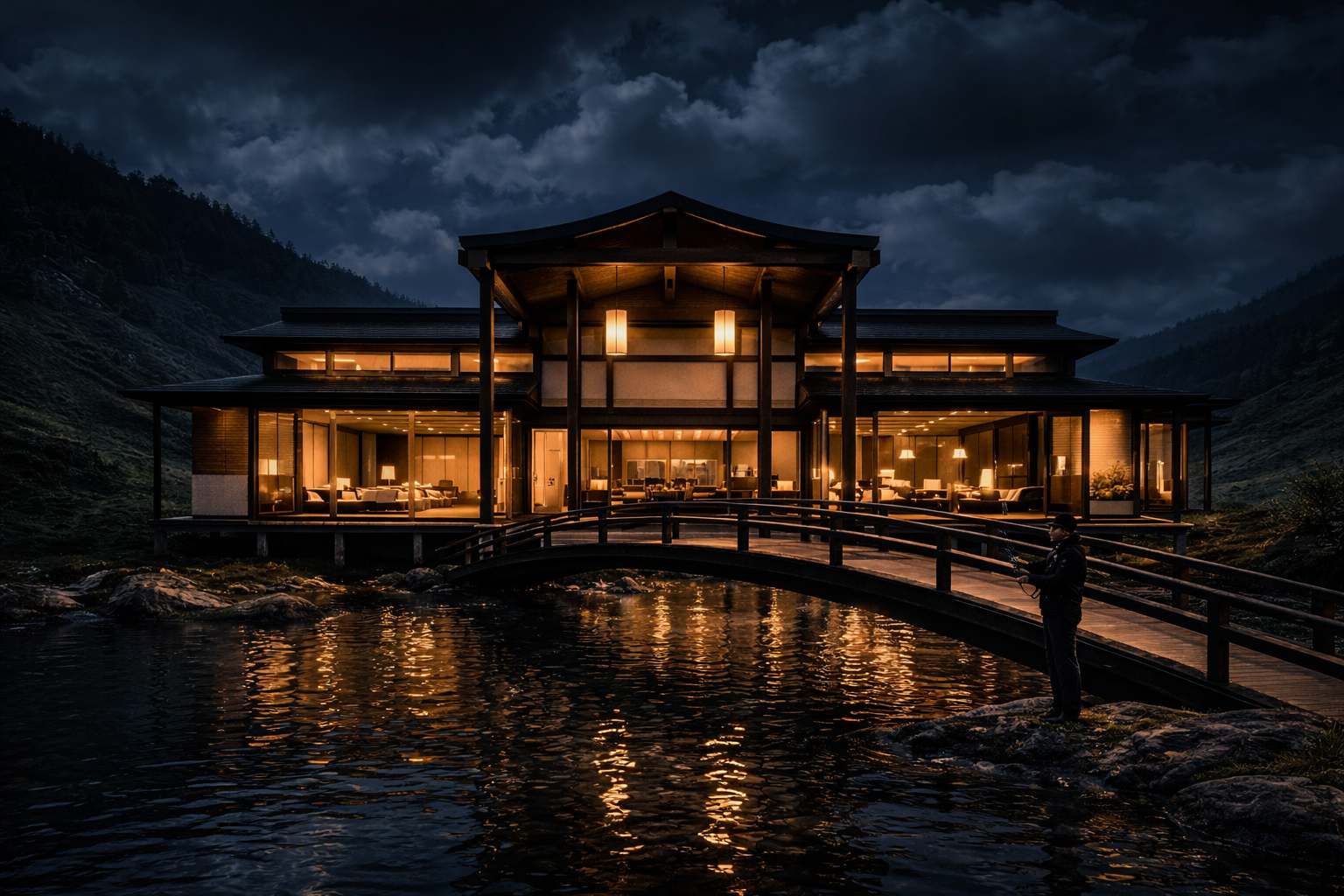
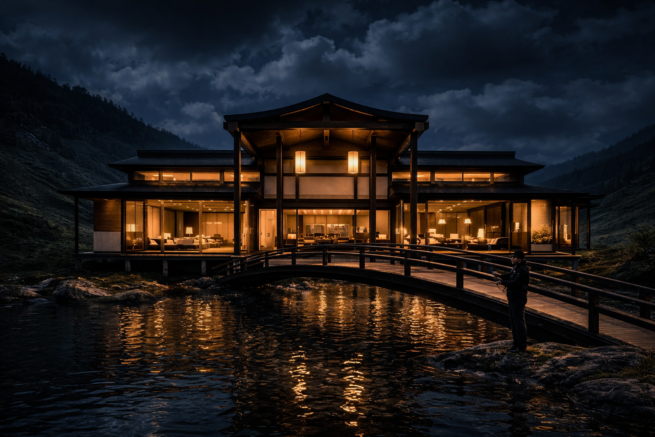
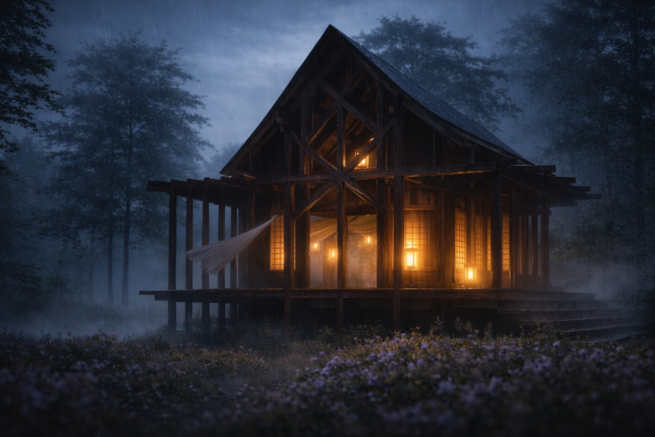
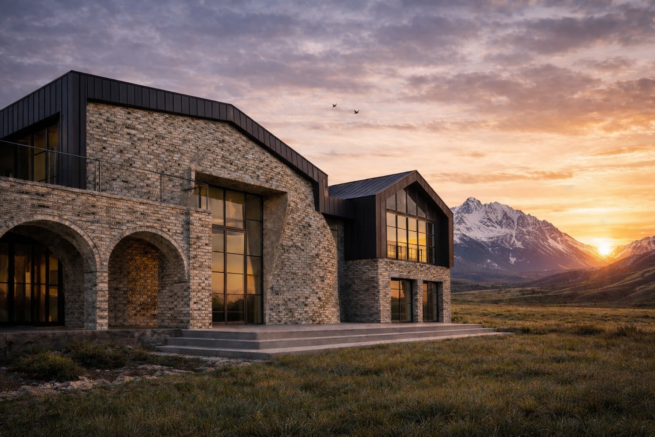
More than a residence, the Japanese Lake Escape is a retreat designed to erase the lines between the interior and the wild. The architecture breathes with the mountains, inviting the landscape to become the home’s most essential feature through a philosophy of spatial transparency.
Architectural Anatomy
Substructure
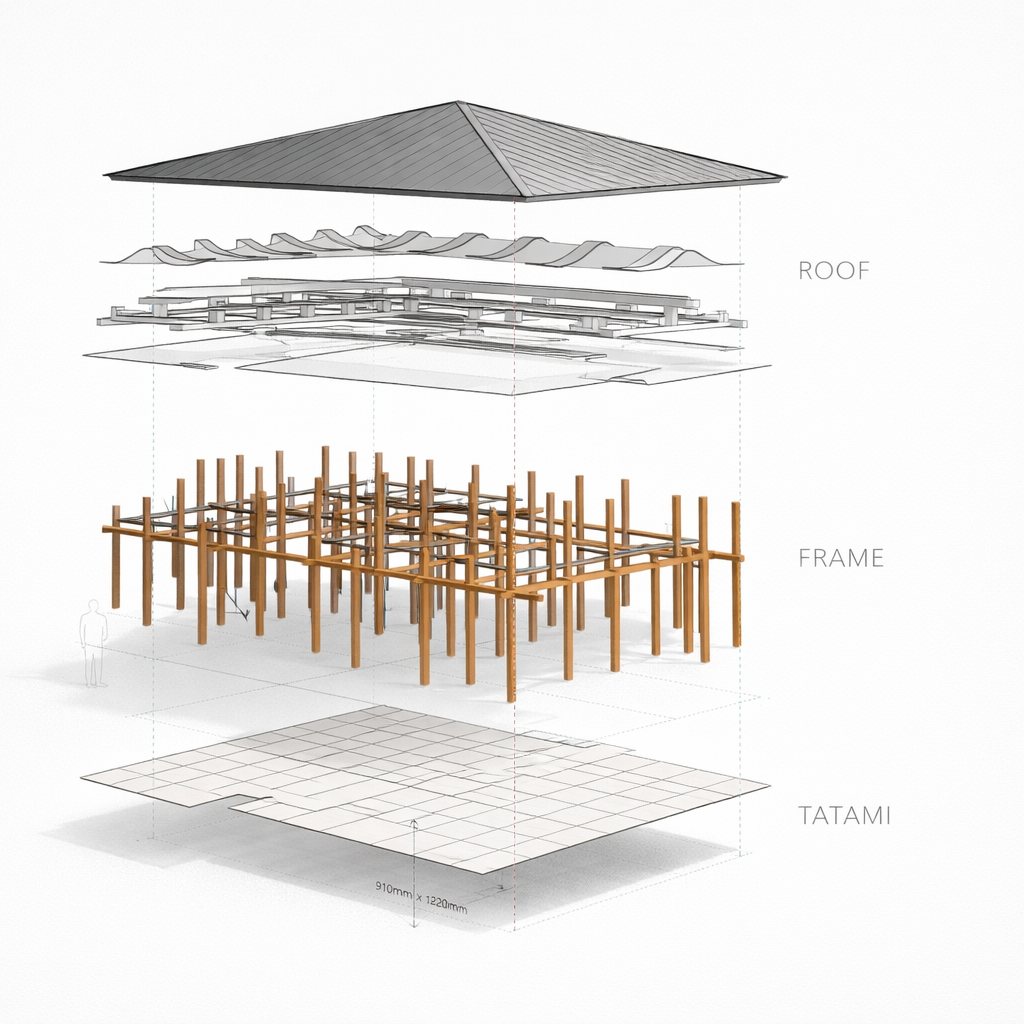
Precision-engineered base supporting a traditional Tatami flooring system, establishing a rhythmic foundation.
Framing
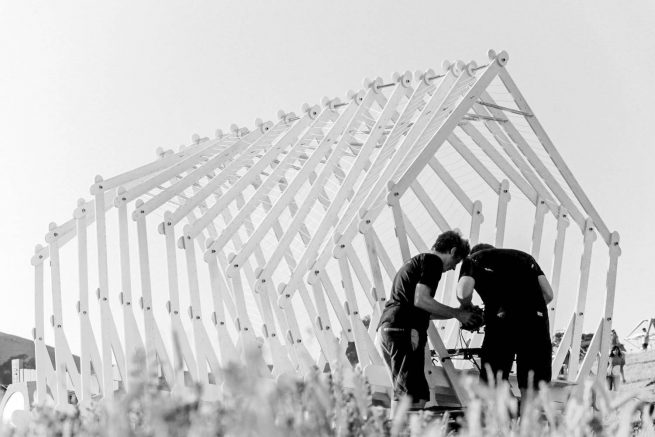
Comprehensive Timber Post & Beam assembly featuring intricate joinery that balances rigidity with aesthetic permeability.
Enclosure
Multi-layered Roofing System integrated with high-performance insulation, mirroring the surrounding mountain silhouettes.