The Bamboo Forest Pavilion

Architecture | A study in structural transparency and biophilic integration, utilizing a "disappearing" glass strategy and a monolithic service core to dissolve the boundary between domesticity and the wild.

The Bamboo Forest Pavilion

Architecture as a Lens for the Landscape

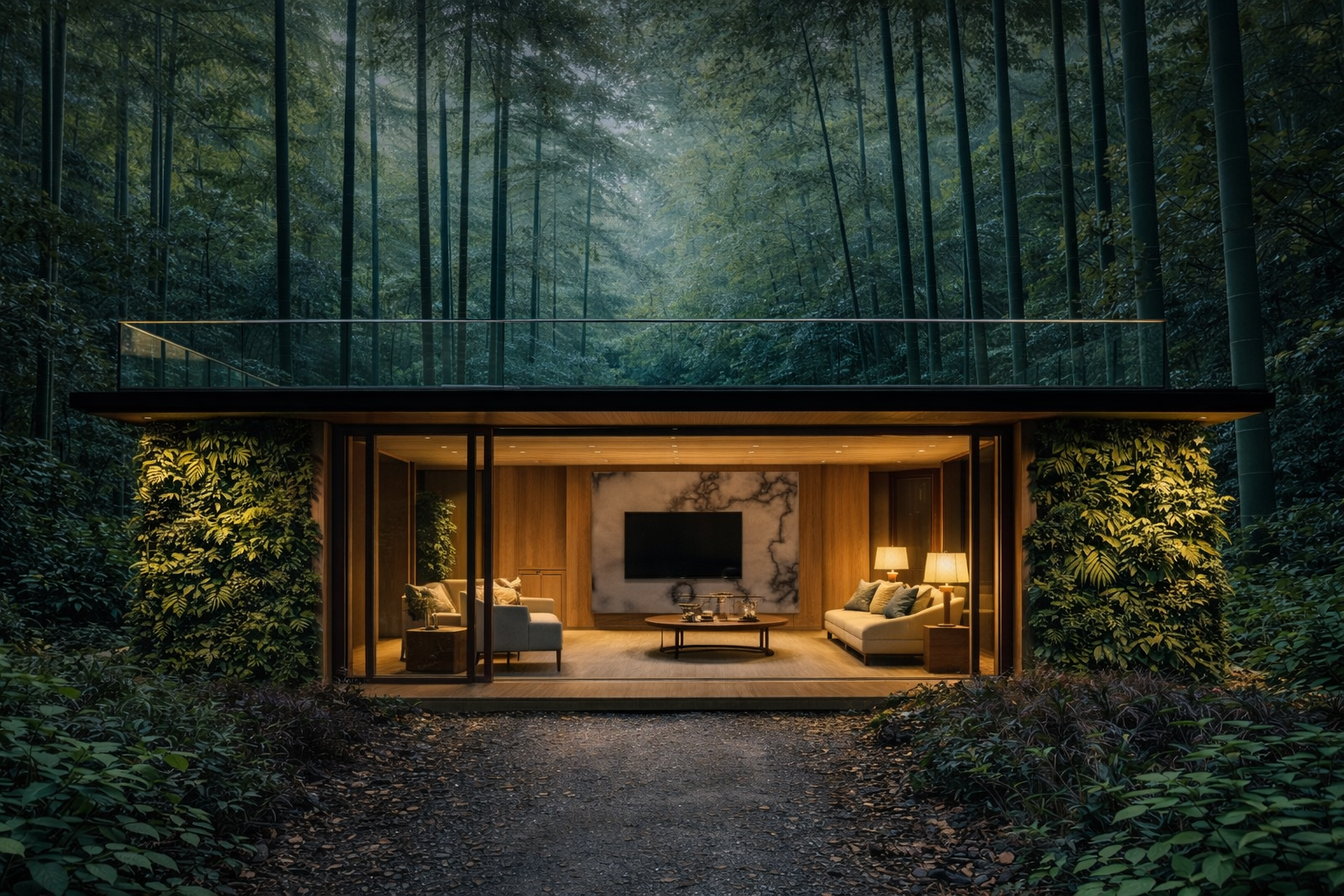
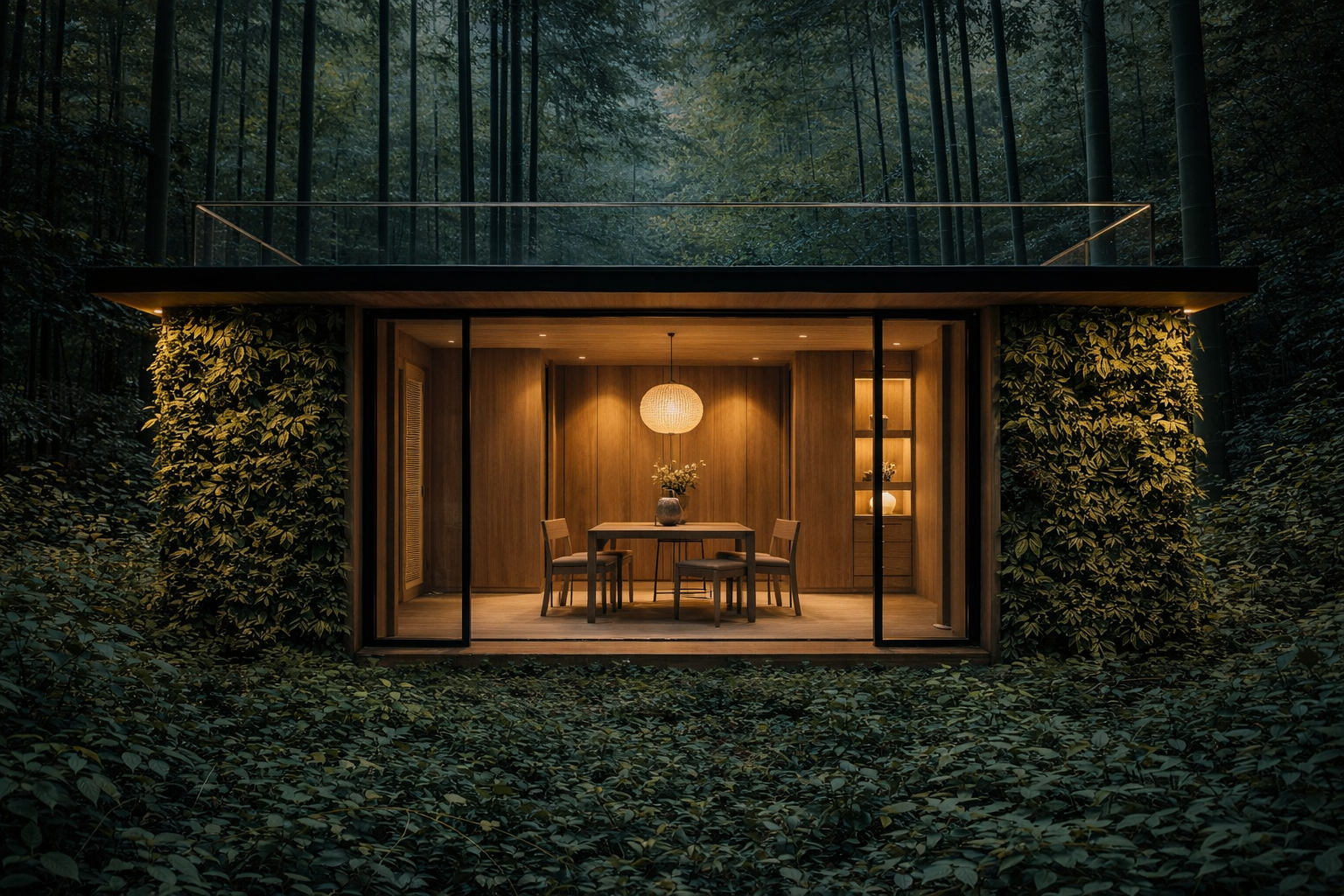
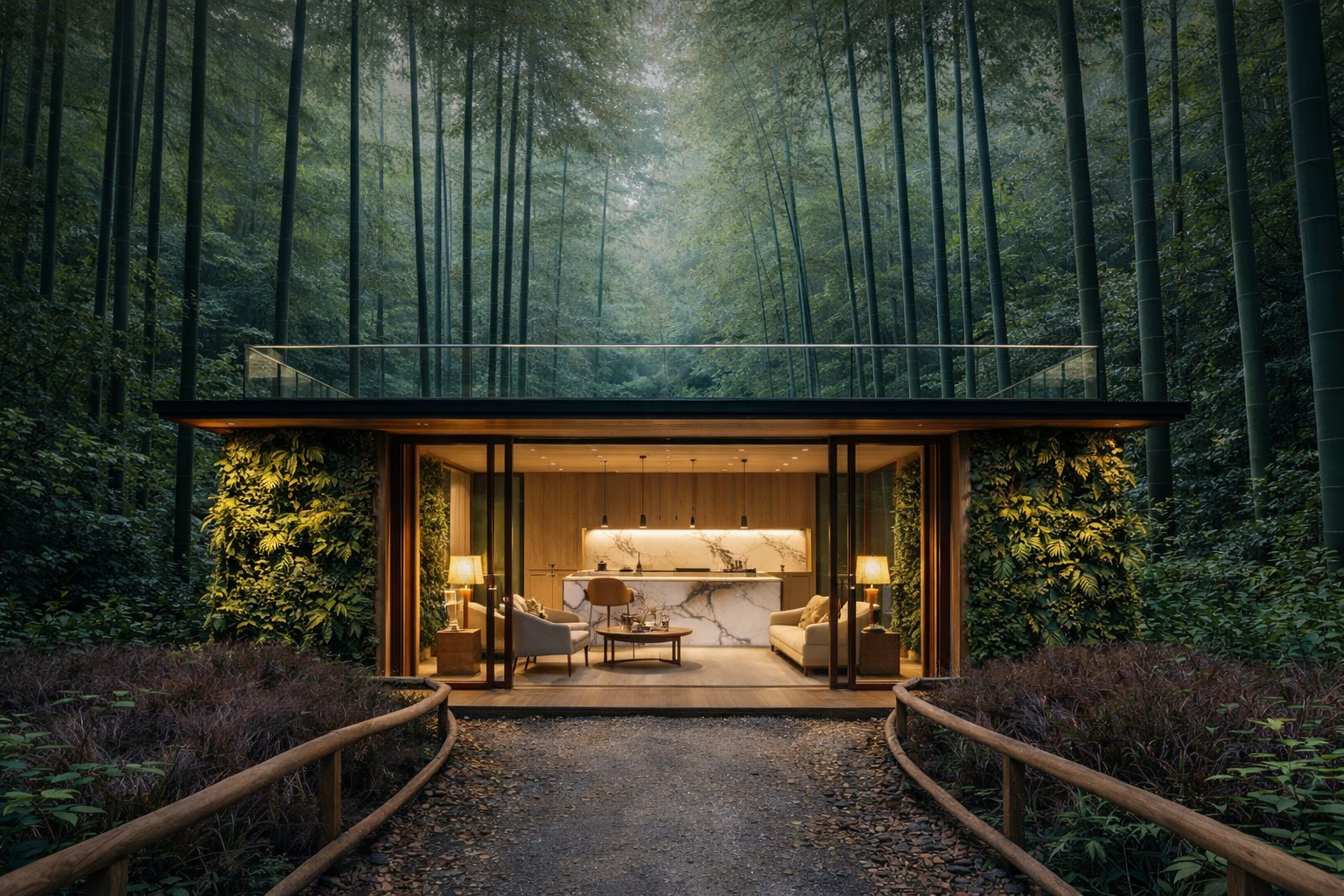
Designed as a quiet retreat, this pavilion acts as a lens for the landscape. It replaces solid walls with a frameless panoramic system, effectively dissolving the boundary between indoors and out. The result is a space that doesn’t just sit in nature, but breathes with it.
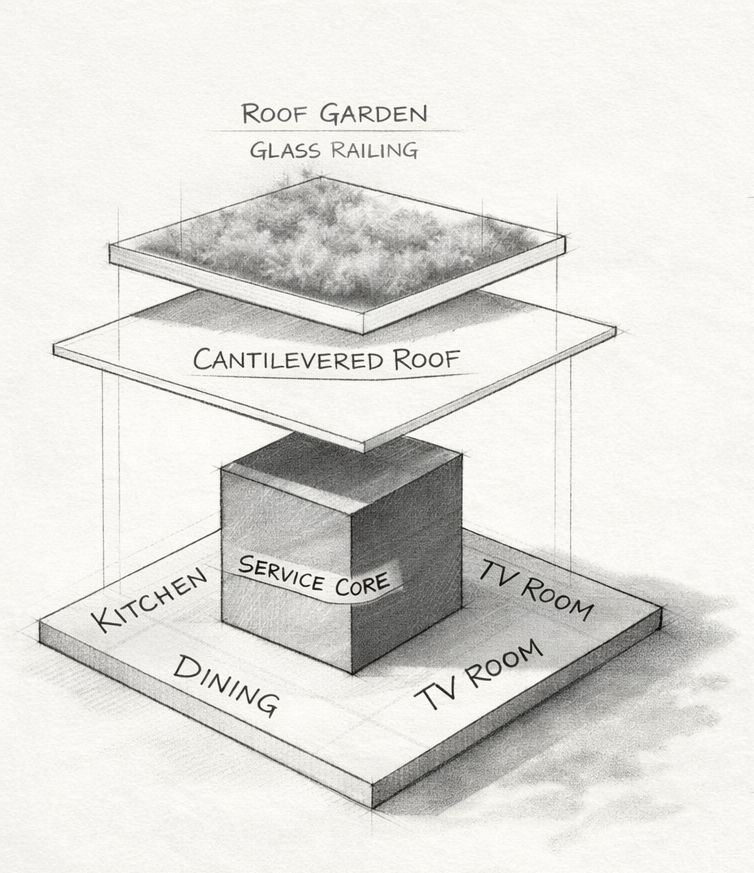
Design Strategy

The Service Cube

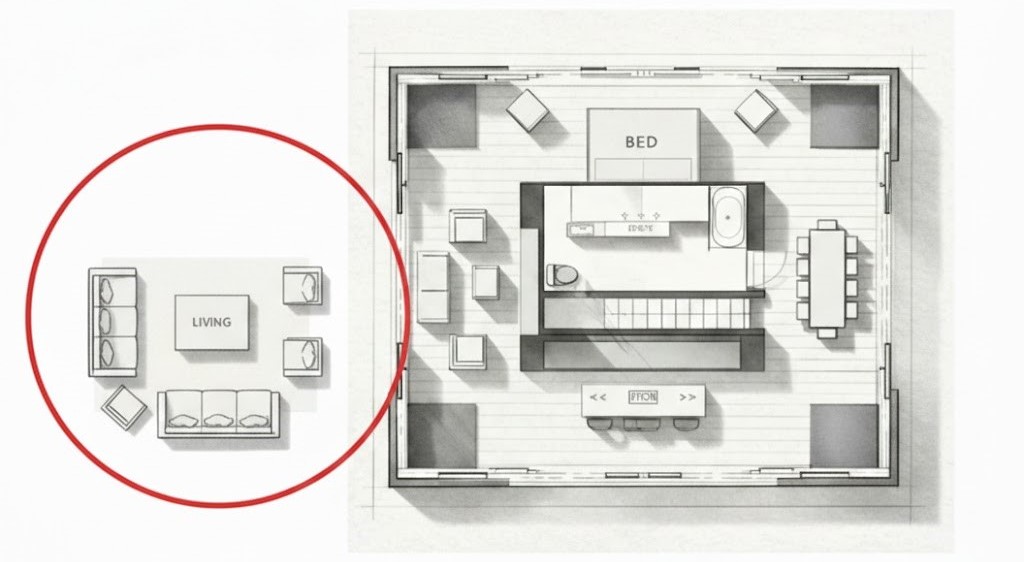
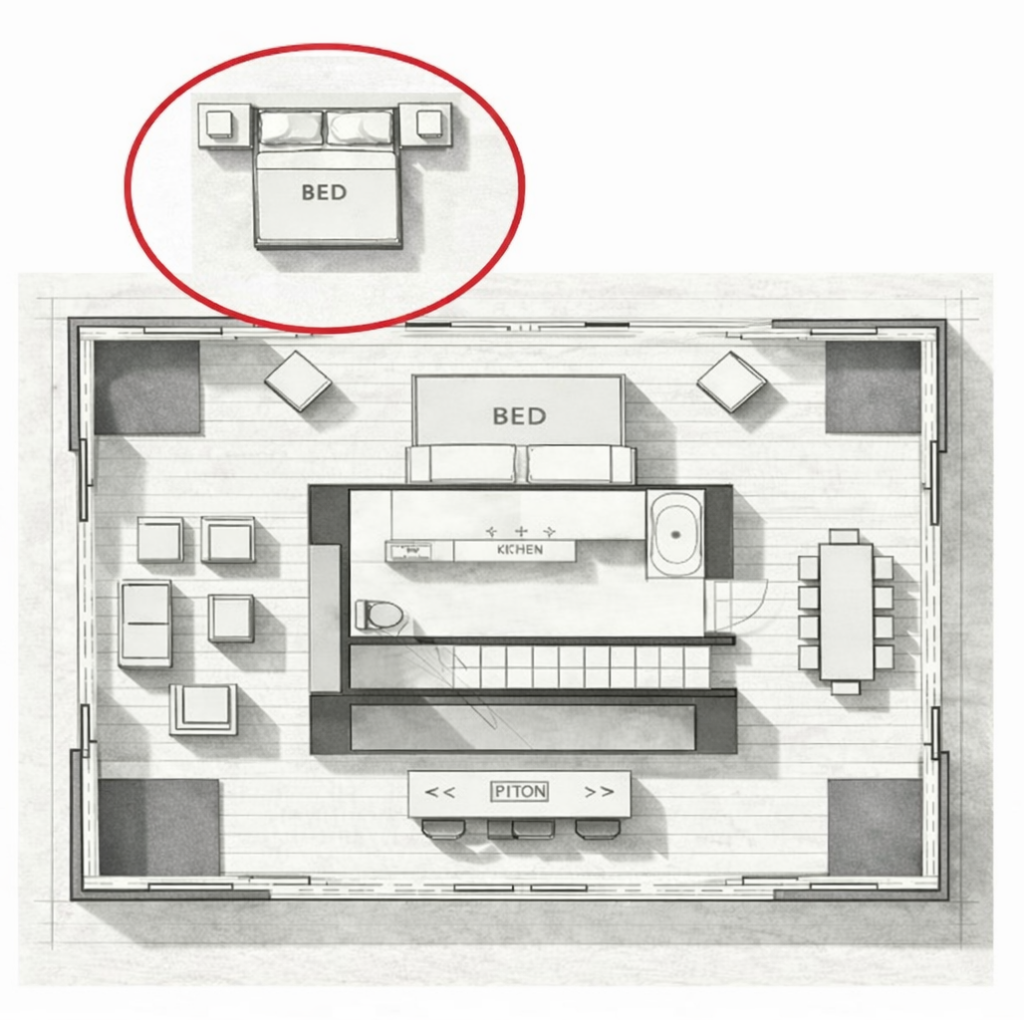
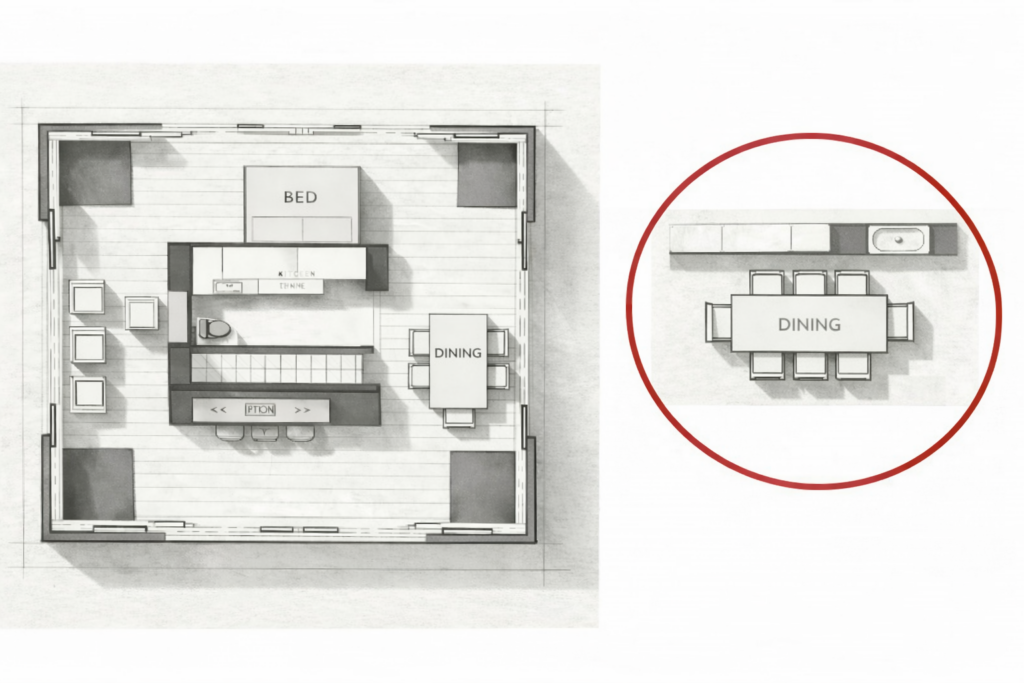
At the heart of the pavilion lies a floor-to-ceiling cabinetry system that centralizes the building’s primary infrastructure. By consolidating kitchen appliances, storage, and utilities into a single architectural monolith, the floor plan is liberated. This creates a 270-degree unobstructed visual field, allowing the living spaces to wrap around a functional heart rather than being partitioned by traditional walls.

Functional Anatomy

The Quad-Planar Core

01. Culinary

The North face integrates high-performance appliances and a concealed pantry, acting as the primary engine for the open-plan kitchen.

02. Sanctuary

The South face features flush-mounted white oak wardrobes and storage, providing a seamless boundary for the private suite.

03. Media

The West face houses recessed media equipment and shelving, utilizing the depth of the core to hide all technical cabling.

04. Social

The East face functions as a built-in sideboard, featuring dedicated glassware storage and a hidden refreshment station.


Programmatic Zone

The Dining Interface

The dining area functions as the primary transition zone, bridging the monolithic culinary core with the bamboo grove. The space is defined by a zero-transition threshold, where the white oak flooring extends past the glass line to create a “floating” floor aesthetic that dissolves the boundary between domesticity and the wild.

Spatial Logic

By utilizing a cantilevered floor slab, the dining zone eliminates traditional perimeter columns, allowing for an unobstructed 270-degree view of the vertical ecology.

Material Finish

The use of surgical-grade GFRC and white oak creates a tactile warmth that anchors the social hub against the cool, rhythmic texture of the forest.


Private Zone

Private Sanctuary

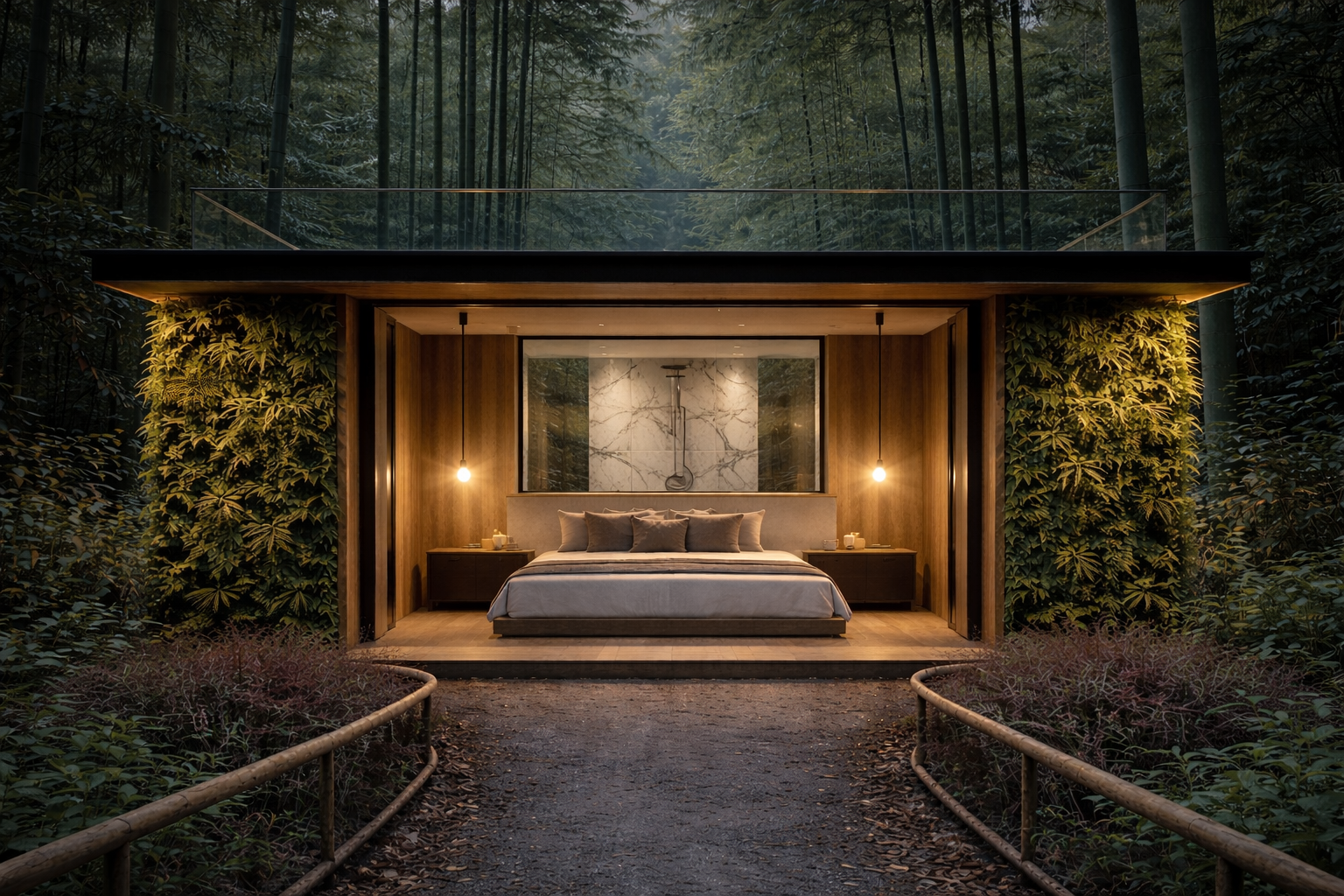
The bedroom is articulated as a secluded retreat within the open plan. By positioning an internal glass wall behind the headboard, the design provides direct sightlines through to the marble-clad bathroom—expanding the perceived volume of the suite while maintaining strict acoustic and thermal separation from the central core.

Visual Depth

The transparency of the glass partition allows light to penetrate deep into the floor plan, ensuring the sanctuary feels connected to the forest canopy at all times.

Material Continuity

The transition from white oak flooring to honed Statuario marble is executed via a recessed shadow gap, maintaining a flush walking surface that reinforces the pavilion’s rigorous geometric logic.


Programmatic Zone

The Dining Interface

The dining area is engineered as the primary transition zone, bridging the monolithic culinary core with the forest exterior. The space is defined by a zero-transition threshold, where the white oak flooring extends past the glass line to create a “floating” floor aesthetic that merges seamlessly with the bamboo grove.

Rooftop Terrace

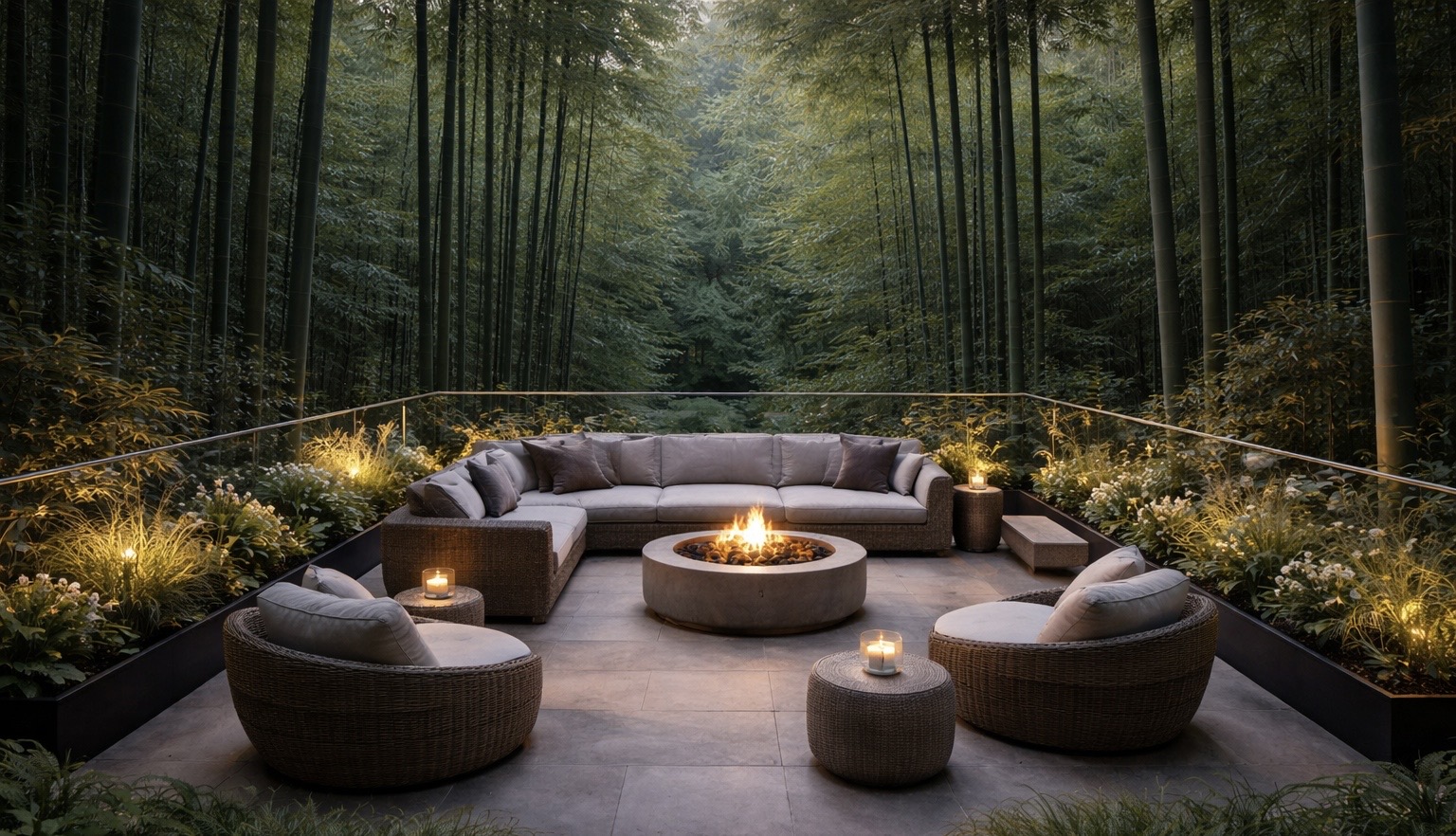
Elevated above the grove, the terrace serves as a curated sanctuary for fire and reflection. Integrated directly into the building’s upper canopy, the space balances the warmth of a central fire pit with the rhythmic rustle of the surrounding bamboo. It acts as the ultimate atmospheric threshold, offering a panoramic perspective of the site’s vertical ecology.

Structural Engineering

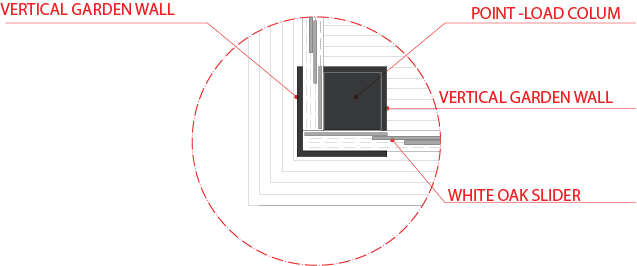
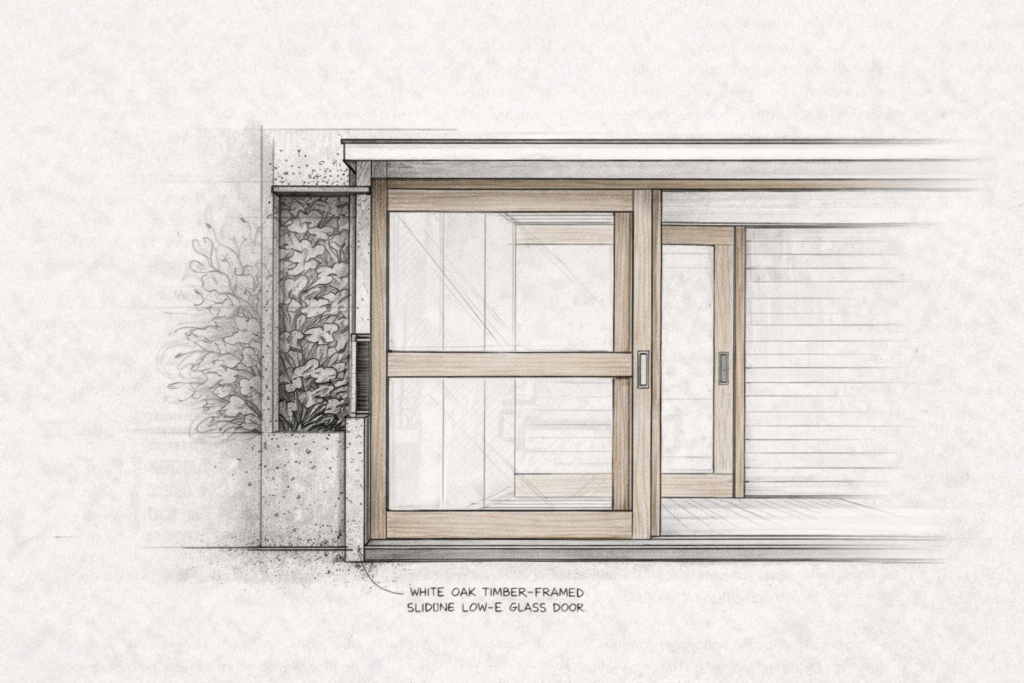
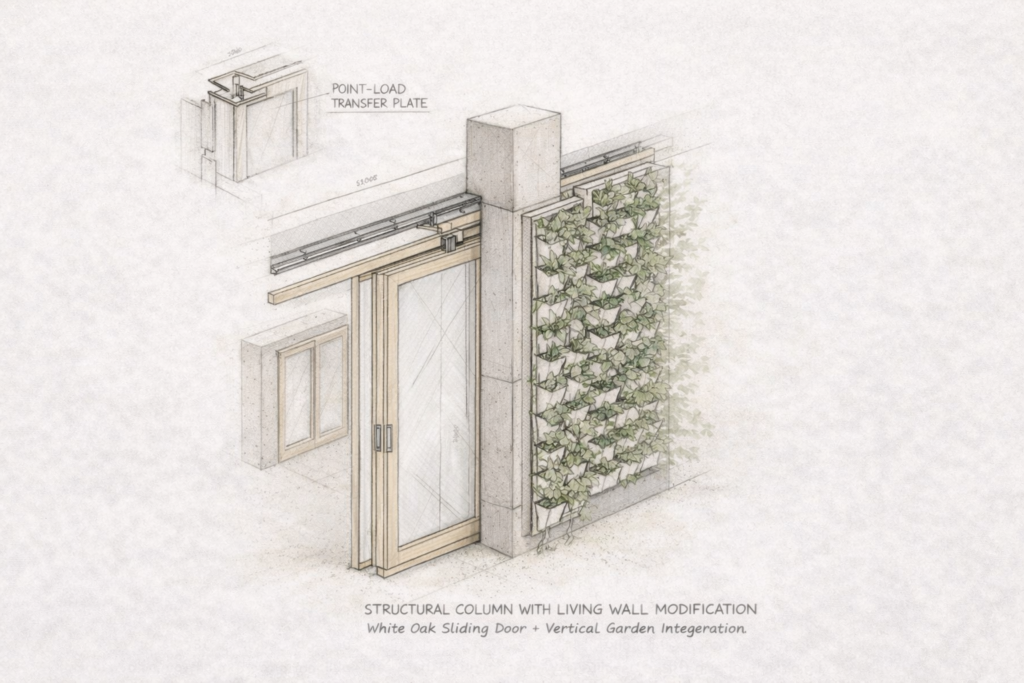
Structural Function: Columns are engineered to support the cantilevered roof slab while remaining slim enough to be encased in a GFRC planter shell with integrated hydroponic isolation.

Integrated Pockets: The column core features a recessed channel for white oak sliders, allowing glass panels to bypass the steel and disappear into concealed wall pockets.

Summary

Structural
Biophilia

The pavilion is a visual record of an environment where the built form and the natural landscape are inseparable. By utilizing a white oak and GFRC palette, the project anchors itself in organic textures while maintaining surgical precision.

Project Stack

  • Software: Rhino, V-Ray, Photoshop
  • Materials: White Oak, GFRC, Marble
  • Systems: Disappearing Pocket Sliders
  • Context: High-Humidity Bamboo Grove

Project Inquiries

Get in Touch

Southern California — Available for select commissions.

Rise|Shelf

Product Design | A modular furniture system engineered for scalability, combining flat-pack logistical efficiency with the tactile weight of solid-wood craftsmanship.

MacBook Pro Sleeve

Product Design | A masterclass in functional minimalism, the MacBook Pro Sleeve is precision-crafted from European leather to safeguard your device without compromising its iconic silhouette. Featuring an integrated 18-degree folding stand and a secure clamshell fit, it is designed for the modern nomad who demands both protection and performance.

Elevate – Dock

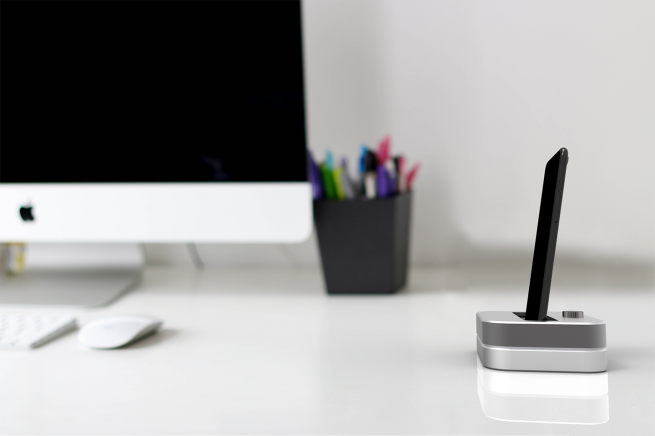
Product Design | Precision-engineered for functional minimalism, the Elevate Dock features a weighted stainless steel core and an 18-degree ergonomic tilt. Designed for zero-tool assembly, its adaptive internal geometry provides universal compatibility for any smartphone and cable, creating a seamless, clutter-free environment for your workspace.

Adaptable Dock

Product Design | Precision-engineered for functional minimalism, the Elevate Dock features a weighted stainless steel core and an 18-degree ergonomic tilt. Designed for zero-tool assembly, its adaptive internal geometry provides universal compatibility for any smartphone and cable, creating a seamless, clutter-free environment for your workspace.

Portfolio and Watch Dock Case

Product Design | A study in material contrast and precision joinery. This custom walnut housing utilizes a hybrid fabrication workflow—pairing 3-axis CNC machining with 3D-printed porcelain to create a high-fidelity tactile experience and a seamless, friction-fit integration of components.

Apple Watch Dock

Product Design | A study in kinetic elegance and tactile precision. Inspired by the silhouette of a spinning top, this dock utilizes a solid 316L stainless steel core and a hidden ball-plunger system to provide a secure, click-into-place housing for interchangeable shells—transforming the Apple Watch into a sculptural bedside centerpiece.